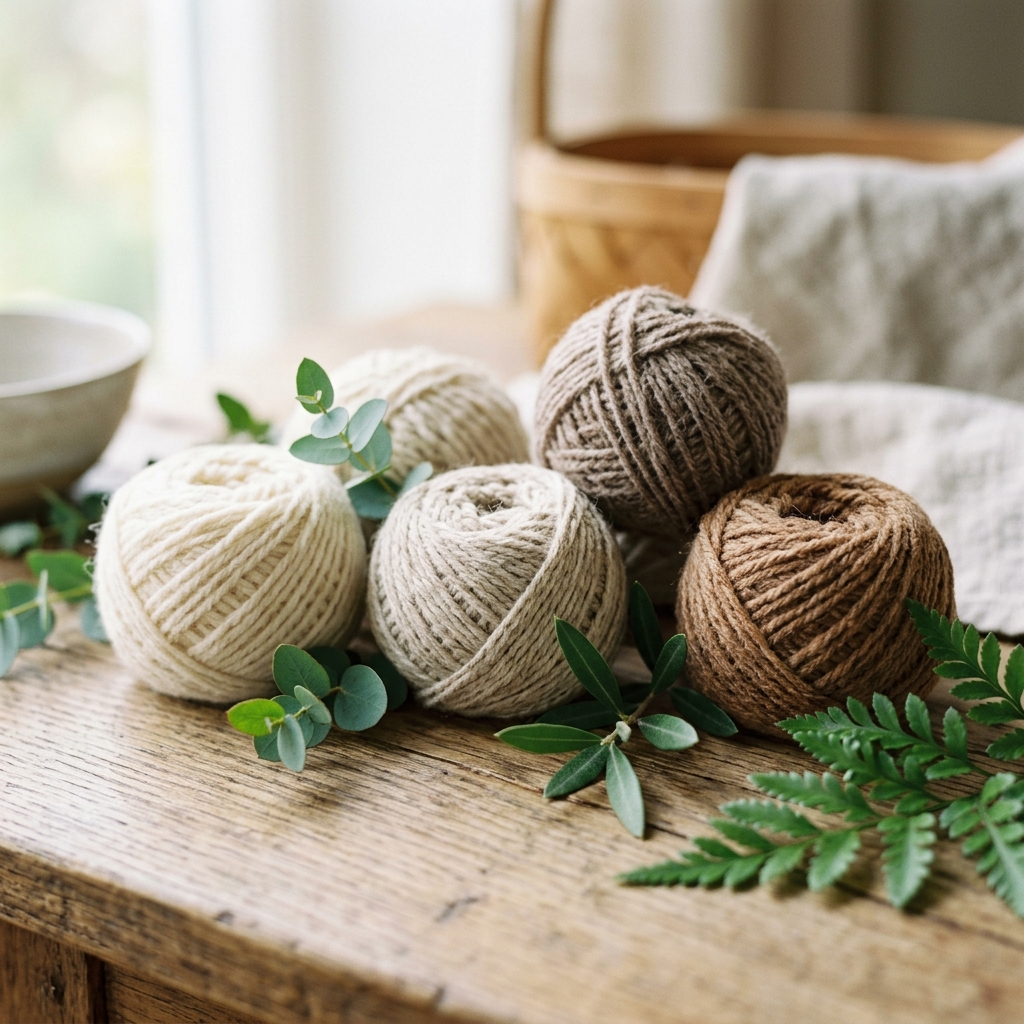
In 2026, knitters are more informed than ever before. We look beyond color and price, and ask ourselves: Where does this yarn come from, and who has it affected along the way?
Traceability: From Sheep to Skein
The biggest trend in yarn ethics in 2026 is total traceability. Many yarn manufacturers now use blockchain technology or detailed QR codes on labels that let you see exactly which farm the wool comes from. This gives you peace of mind that animal welfare is maintained and that farmers receive a fair price.
Key Certifications to Look For
- GOTS (Global Organic Textile Standard): Guarantee for organic production throughout the entire chain.
- RWS (Responsible Wool Standard): Ensures good animal welfare and responsible land management.
- OEKO-TEX Standard 100: Tests for harmful substances in the finished yarn.
Animal Welfare and Mulesing
In 2026, mulesing-free merino wool has become the standard that all serious players must adhere to. Knitters in 2026 no longer accept wool from sheep that have been subjected to painful procedures. We also see increased interest in alternative fibers like alpaca and mohair, where traceability and ethical treatment of animals are central.
The Climate Footprint of Your Yarn
Did you know that transport and dyeing account for a large part of yarn's environmental impact? In 2026, we see these trends for reducing footprint:
- Local Yarn: Using wool from local breeds (like Norwegian sheep) drastically reduces transport emissions.
- Plant-Based Colors: Yarn dyed with natural ingredients like lichen, madder root, or onion skins.
- Water-Saving Production: Factories that recycle the water used in the washing and dyeing process.
Checklist for the Ethical Knitter
- ✓ Read the label carefully – look for certifications.
- ✓ Choose natural fibers over synthetic blends where possible.
- ✓ Support small, local spinning mills.
- ✓ Buy only what you actually plan to knit. Use our Yarn Calculator or Yardage Calculator to avoid excess stash.
What about Synthetic Yarn?
While wool and natural fibers are in focus, exciting things are happening with synthetic fibers too. In 2026, we see more recycled nylon and polyester used as reinforcement in e.g., sock yarn, which increases durability without burdening the planet with virgin plastic resources.