 Intermediate
 Oda Bonnet
Fingering yarn holds fine lace detail beautifully, making this a rewarding step up for anyone ready to move beyond bulkier baby projects.
See pattern →Type at least 2 characters to search
Explore our curated archive of popular knitting patterns from across the web. Filter by category to find your next project.
New to knitting patterns or confused by the terminology? Read our guide: How to read a knitting pattern step-by-step .
Intermediate Fingering yarn holds fine lace detail beautifully, making this a rewarding step up for anyone ready to move beyond bulkier baby projects.
See pattern → Beginner
 A great way to try knitting in the round and practice seaming and stuffing, all wrapped up in a gift-worthy toy rather than a wearable.
See pattern → Beginner
 Buttonholes and front bands make this a gentle first "real garment," teaching finishing skills without overwhelming a beginner.
See pattern → Intermediate
 The textured stitch pattern adds just enough interest to stay engaging, while DK weight keeps the fabric soft and stretchy for baby skin.
See pattern → Intermediate
 Knitting a matching set is good practice for keeping gauge consistent across several small pieces, and fingering yarn gives it a delicate, keepsake quality.
See pattern →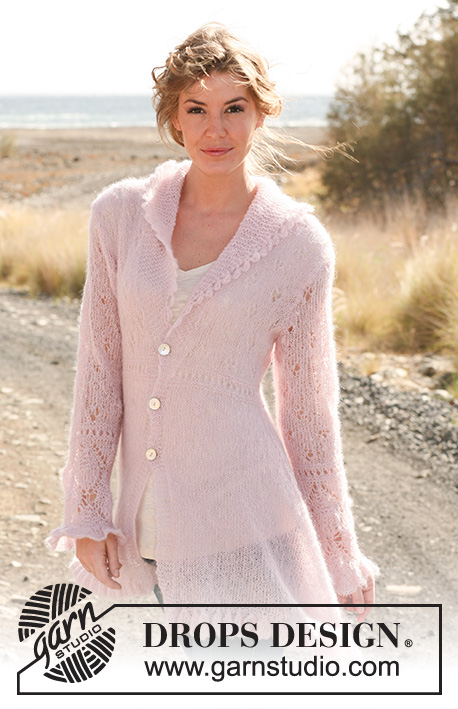 Intermediate
 The lace yoke is a manageable way to build confidence reading charted lace before tackling a full lace garment.
See pattern →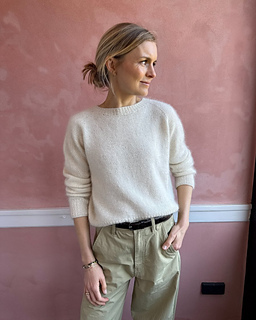 Intermediate
 A seamless top-down raglan is a natural next step once you've knit a few simpler pieces, teaching you to shape a sweater without any sewing at the end.
See pattern → Intermediate
 The seamless yoke construction is a well-documented, forgiving technique that's worth learning once, since it applies to countless future sweater patterns.
See pattern →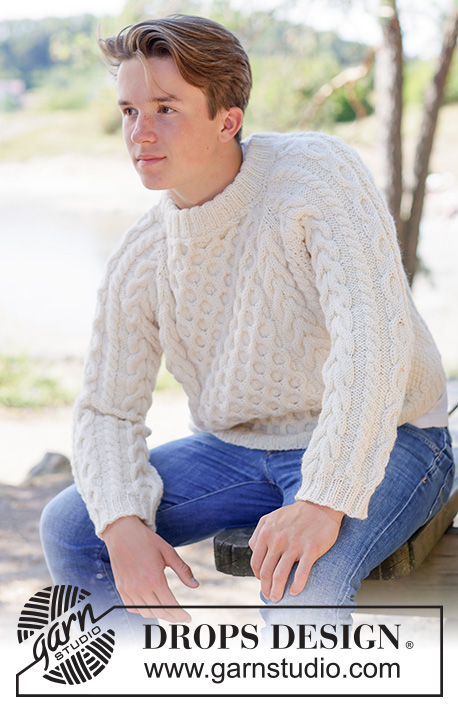 Beginner
 Worsted yarn and a simple raglan shape make this a low-risk first sweater — fast progress keeps momentum up while you learn increases and shaping.
See pattern →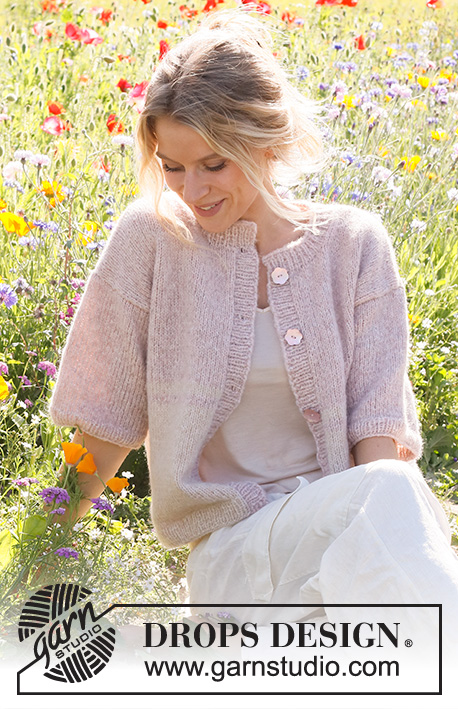 Intermediate
 Between the pockets and buttonhole bands, this cardigan is good practice in finishing details, while the body itself stays in straightforward stockinette.
See pattern → Intermediate
 The oversized fit is forgiving of small gauge inconsistencies, making it a more relaxed knit than a fitted sweater in the same weight.
See pattern →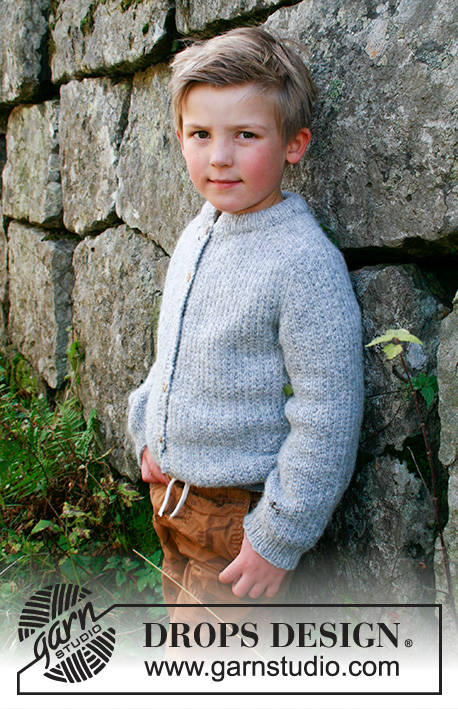 Intermediate
 Triangular shawls are usually knit top-down with a steadily growing stitch count, which is genuinely useful practice for keeping track of a large project.
See pattern →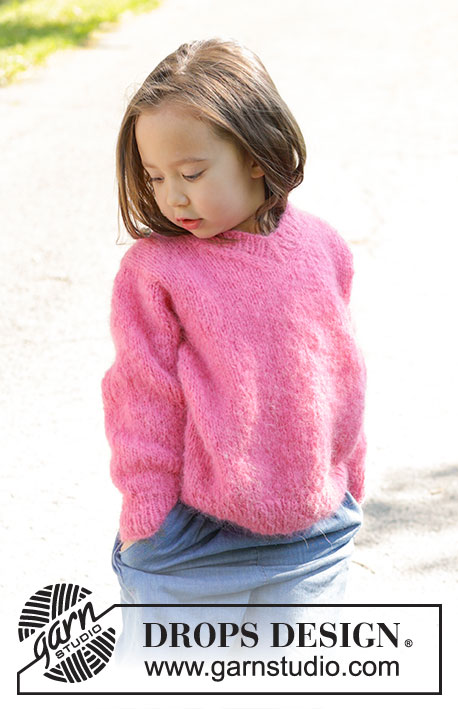 Beginner
 The bubble texture reads clearly even to a beginner's eye, and worsted weight means the whole hat is done in a weekend.
See pattern →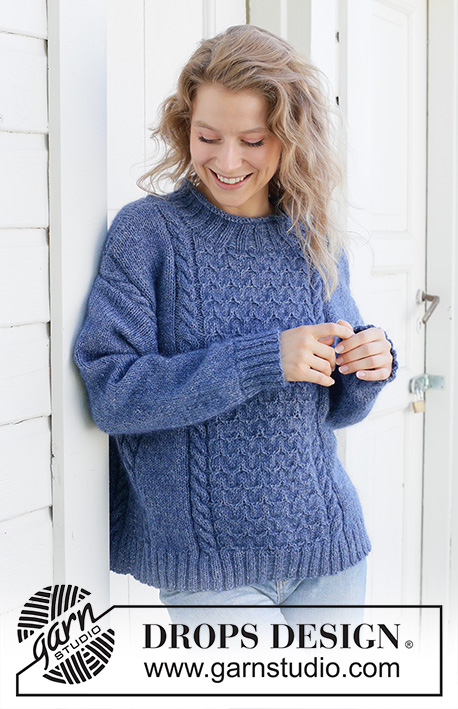 Beginner
 Stripes are one of the easiest ways to practice colour changes without the demands of full colourwork, and soft merino keeps the sweater next-to-skin comfortable.
See pattern → Intermediate
 Combining a plain yoke with a textured body gives you two different skills in one project, which is likely why it's such a popular pattern on Ravelry.
See pattern → Intermediate
 The minimalist silhouette keeps the knitting itself simple, letting the soft alpaca yarn do most of the visual work — good if you want a polished result without a complicated pattern.
See pattern → Beginner
 The double brim adds a bit more to practice than a single-layer hat while keeping the shape straightforward — a solid confidence-building first project.
See pattern →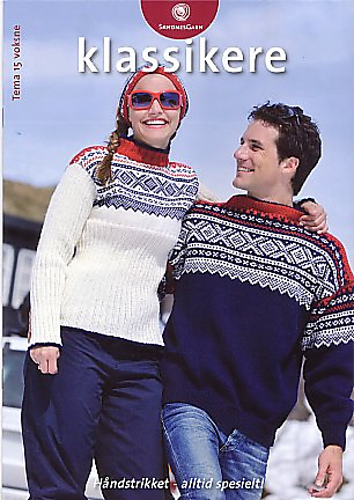 Advanced
 Stranded colourwork asks you to manage tension across two yarns at once, so this is a natural next challenge once stockinette feels easy — and it's a genuine piece of Norwegian knitting history.
See pattern → Intermediate
 A straightforward pullover in worsted weight that knits up faster than you'd expect, equally suited to weekend wear or a slightly dressier occasion.
See pattern →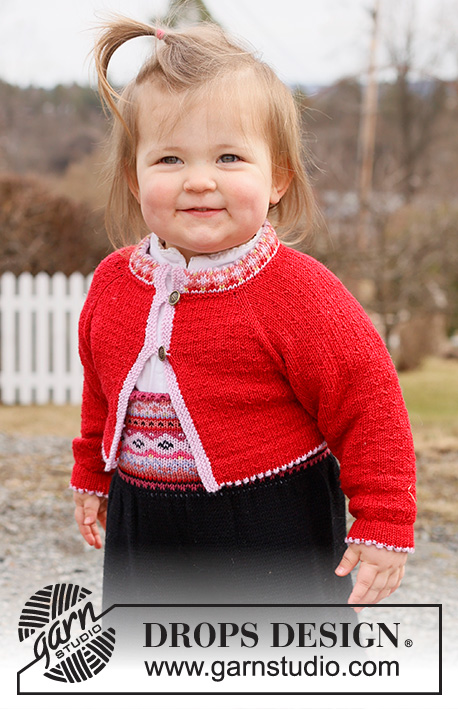 Advanced
 Cables require keeping track of several needles' worth of stitches at once, but aran weight makes each cable read clearly, which helps while you're still learning to follow a chart.
See pattern →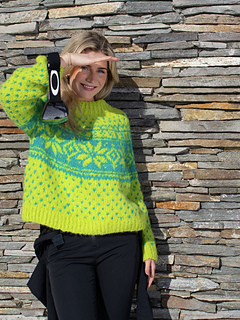 Advanced
 The geometric colourwork is demanding, but a Setesdal sweater is also the kind of piece you'll wear for decades, which makes the time investment worthwhile.
See pattern →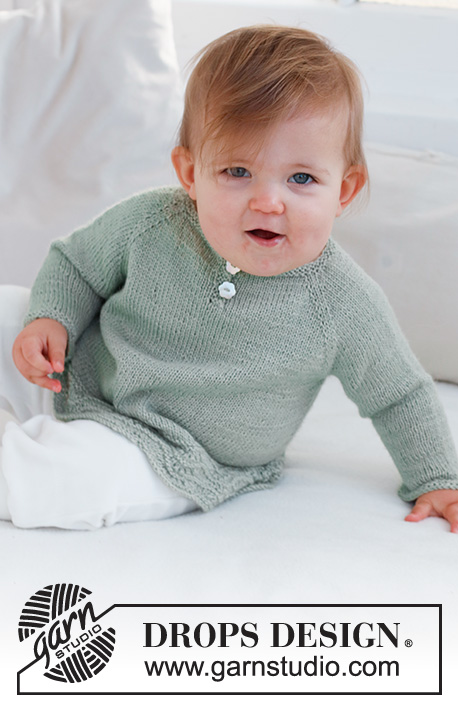 Beginner
 A simple hat is an ideal entry point into knitting in the round, and alpaca yarn adds warmth without unnecessary bulk.
See pattern → Beginner
 Worsted weight makes the heel turn and toe shaping easier to follow than they'd be in finer yarn, which lowers the barrier to knitting your very first pair of socks.
See pattern →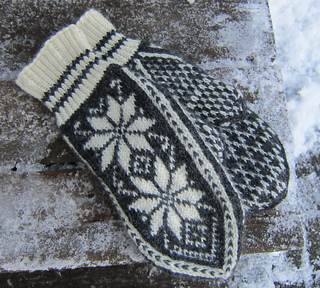 Advanced
 The classic rose pattern demands precise stranded colourwork at a small scale, but that also makes it a compact, self-contained way to learn the technique.
See pattern →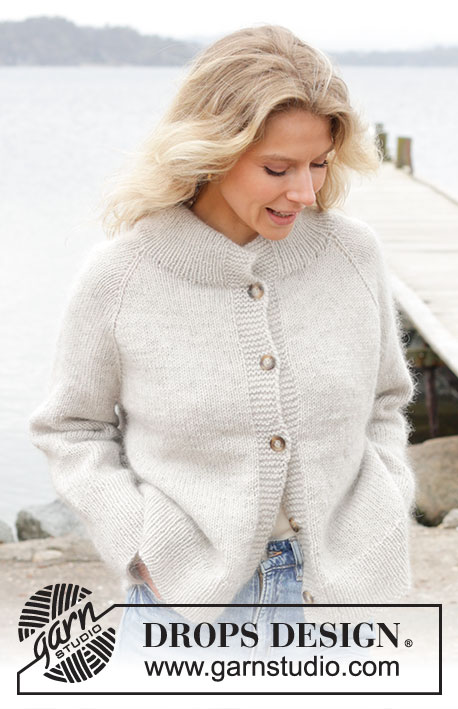 Beginner
 A small, achievable project that's good practice for thumb assignment and binding off neatly — done over a weekend in worsted yarn.
See pattern →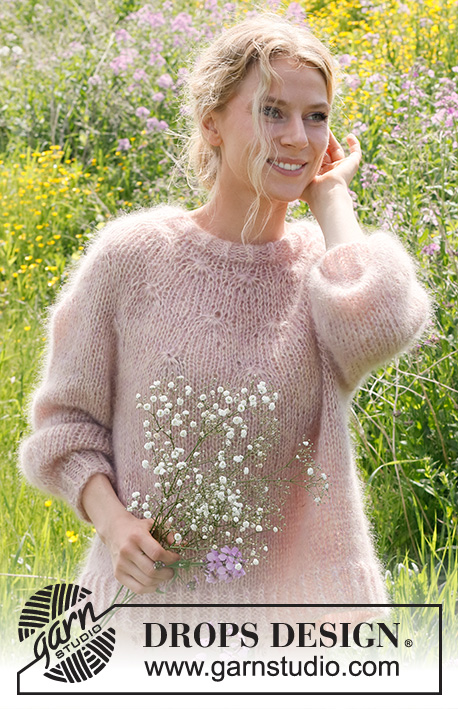 Beginner
 Ribbing in a heavier yarn is relaxing, repetitive knitting that works well as portable knitting while you're still building fundamentals — and it makes a genuinely useful gift.
See pattern → Beginner
 Moss stitch is one of the easier textures to learn, and in fingering weight these wrist warmers stay thin enough to fit under a coat sleeve.
See pattern → Beginner
 A good stash-buster for leftover fingering yarn, and small enough to give you a real sense of finishing something start to finish in one sitting.
See pattern → Intermediate
 Knitting a small purse is useful practice for producing firm, structured stitches that hold their shape — a skill worth carrying into larger bag or garment projects.
See pattern →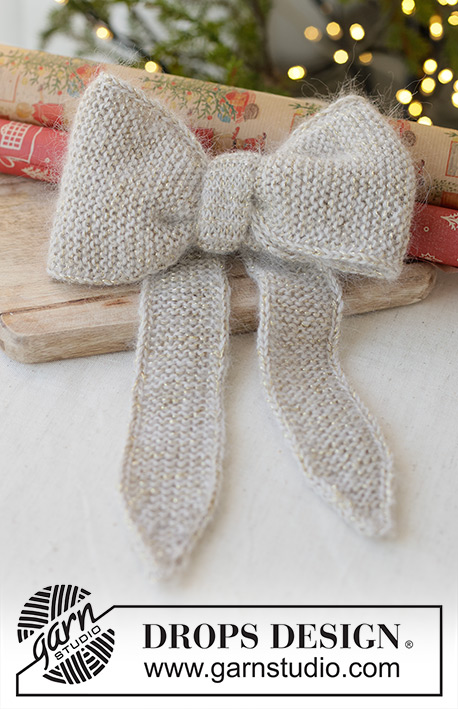 Intermediate
 Finer yarn produces a denser, more hard-wearing sock but takes more patience than a worsted-weight pair — a good pick once you've knit socks before and want to refine your technique.
See pattern → Intermediate
 Chunky cables in worsted yarn grow quickly and give a strong visual payoff for a relatively modest time investment.
See pattern → Beginner
 Bulky yarn and a simple shape mean you see progress fast, and the finished bag is sturdy enough for actual daily use rather than sitting on a shelf.
See pattern → Intermediate
 A textured stitch repeated across a full blanket is good training in keeping even tension over a long stretch of knitting, and the result is the kind of piece that gets handed down.
See pattern → Beginner
 A small decorative project with no fit requirements is a low-pressure way to try a new technique, and the finished pumpkin earns its keep in the autumn decor for years.
See pattern →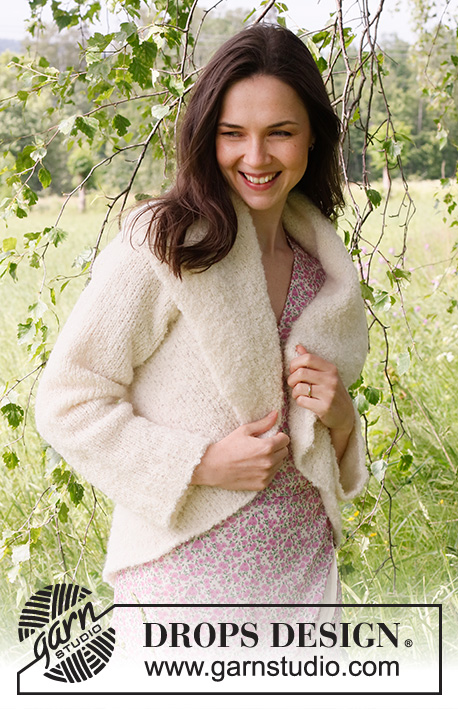 Beginner
 Straight stripes in bulky yarn are about as meditative as knitting gets, and a big throw makes a satisfying "couch project" to keep going alongside an evening of TV.
See pattern →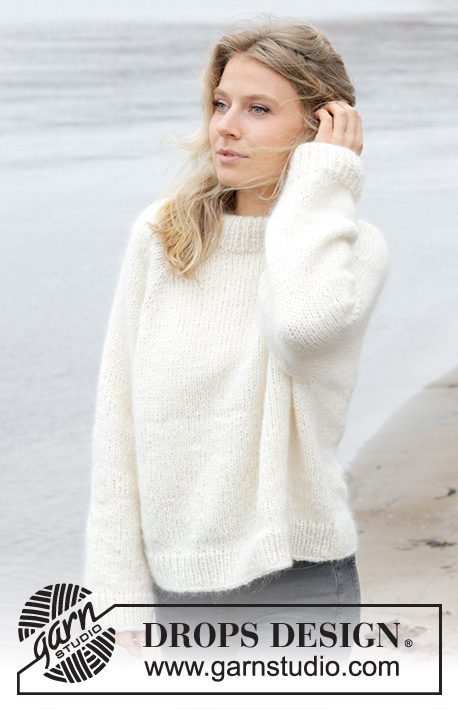 Intermediate
 A cushion cover is a contained, quick way to practice cable technique without the time commitment of a full sweater, and it gives a room an immediate lift.
See pattern →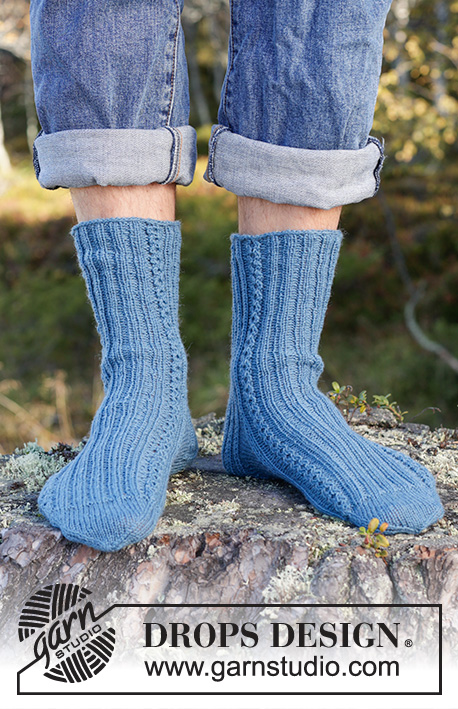 Beginner
 Firm cotton yarn in a bulky weight knits into a basket sturdy enough to actually hold things — a good option if you'd rather knit something functional than another garment.
See pattern →No patterns found in this category.